
Latest blog & articles
THCI Insights: Engineering, Investment, and Infrastructure Leadership
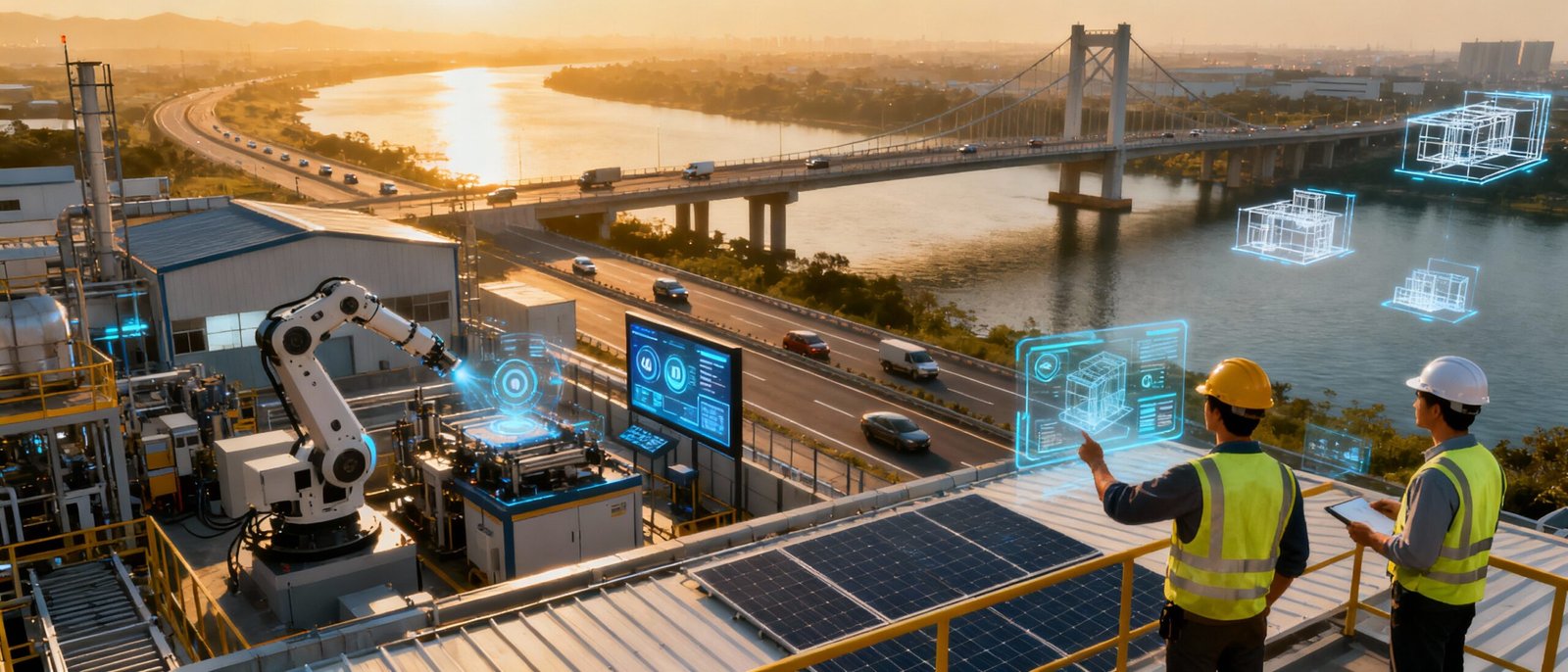
Industrial Development and Modern Manufacturing:
Building Production Capacity for Economic Growth
Abstract
The global shift towards localized and resilient supply chains has elevated the importance of modern industrial development and manufacturing. For investment and development groups like THCI, this sector represents a critical area for building long-term economic capacity and creating value. This article analyzes the strategic role of advanced engineering in designing high-efficiency manufacturing plants, the necessity of digital integration (Industry 4.0), and the managerial challenges of creating sustainable and globally competitive production ecosystems. Success in this field requires harmonizing infrastructure expertise with precise operational planning and technology adoption.
Introduction
Manufacturing serves as the engine of modern economic diversification and job creation. However, contemporary industrial development demands more than just factory construction; it requires a holistic approach encompassing smart logistics, energy efficiency, and digital integration. THCI’s involvement in this sector is driven by its ability to provide the end-to-end solution: from designing the core production facility to establishing the energy and transportation infrastructure that supports it. This approach ensures that industrial investments are not only operational but are globally competitive and sustainable.
1. Engineering and Design of Smart Manufacturing Facilities
The foundation of modern manufacturing lies in the sophisticated design and engineering of the production environment itself.
1.1 Industry 4.0 Integration and Automation
The adoption of Industry 4.0 principles is non-negotiable for competitiveness. THCI focuses on designing facilities that incorporate automation, IoT sensors, and artificial intelligence (AI) for real-time quality control and predictive maintenance. This level of digital integration minimizes downtime and maximizes production output.
1.2 Sustainable Industrial Infrastructure
Modern facilities must adhere to strict environmental standards. This includes designing plants for maximum energy efficiency, utilizing renewable energy sources where possible (connecting to THCI’s Power Development expertise), and implementing advanced waste reduction and water treatment systems.
1.3 Optimized Layout and Flow
Effective manufacturing relies on an optimized physical layout. Engineering solutions must ensure a linear, non-congested flow of materials from raw input to finished goods, reducing bottlenecks and enhancing worker safety and efficiency.
2. Managerial and Supply Chain Challenges
Operating a globally competitive manufacturing facility requires disciplined management of complex logistics and diverse labor forces.
2.1 Supply Chain Resilience and Sourcing
The administrative challenge lies in securing a resilient supply chain for raw materials and components, which often involves sourcing from international markets. This requires sophisticated procurement strategies and leveraging THCI’s expertise in General Trading and Logistic Support to manage shipping and customs compliance.
Transportation Network Development: The Role of Civil Engineering in Supporting Economic Arteries
Abstract
Roads and bridges are the lifelines of any economy, connecting production centers to markets and facilitating the movement of people and goods. Governments and development institutions face increasing challenges in constructing transportation networks that are efficient, sustainable, and safe to meet growing population and commercial demands. This article provides an in-depth analysis of how THCI Business Group applies the highest standards of heavy civil engineering, derived from its American expertise, to create resilient road and transportation infrastructure, focusing on advanced planning technology, material quality, and intelligent safety systems.
Introduction
Transportation infrastructure represents a long-term investment that requires uncompromising engineering precision. At THCI Business Group, we move beyond conventional contracting to provide comprehensive Axiom Engineering solutions that enhance the growth capacity of cities and nations. We recognize that the quality of a road directly impacts supply chain efficiency, transportation costs, and user safety. Therefore, our methodology in developing roads and bridges is based on integrating international standards with a committed, local understanding of regional requirements.
1. Technology in Modern Road Design and Construction
Today’s major road projects rely on technology integration to ensure accuracy, reduce waste, and extend the lifespan of the assets.
1.1 Digital Surveying and Precision Planning
THCI utilizes the latest Digital Surveying techniques and Building Information Modeling (BIM) to create detailed 3D models of project sites. This allows for precise planning of excavation and embankment work and defining optimal gradients, ensuring fuel efficiency on the road and reducing costly rework.
1.2 Advanced Materials and Pavement Sustainability
The selection of paving materials is a critical factor. We rely on advanced, sustainable materials that increase road durability and its resistance to climate variations and heavy traffic loads. This not only extends the service life but also reduces the project’s carbon footprint in the long term.
2. Bridges and Complex Structures as Strategic Connectors
Bridges and tunnels represent engineering challenges requiring specialized expertise, given their crucial role in linking population and economic centers.
2.1 Complex Bridge Engineering
THCI specializes in the design and construction of complex structures demanding advanced building techniques, such as suspension bridges or those traversing difficult or aquatic terrains. We focus on structural stress analysis and seismic resistance to ensure stability and resilience over decades.
2.2 Optimizing Trade Flow and Logistics
Road networks are designed from a holistic logistics perspective. The goal is to create rapid and efficient transportation arteries that connect industrial zones (Manufacturing) and ports (Logistics) seamlessly. This smooth flow enhances general trade and supports the efficiency of national supply chains.
3. Road Safety and Intelligent Transportation
A comprehensive road infrastructure project is incomplete without the integration of security and intelligent technology elements.
3.1 Intelligent Transportation Systems (ITS) and Traffic Safety
We integrate Intelligent Transportation Systems (ITS), which include surveillance cameras, variable message signs, and accident detection systems. This integration significantly elevates the level of safety and improves traffic management, particularly during peak hours.
3.2 Adherence to International Safety Standards
THCI applies the highest global safety standards to the road construction itself, ranging from the correct geometric design of curves and interchanges to the installation of high-quality reflective markings and guardrails. Road safety is an inherent part of the quality and reliability framework adopted by the Group.
Conclusion
Modern transportation development is no longer merely a construction activity; it is a strategic investment in national efficiency and capacity for development. THCI Business Group leverages its international heavy civil engineering expertise to deliver transportation networks that are durable and intelligent. We build the arteries that ensure connectivity, unlock economic horizons, and secure the future for generations to come.

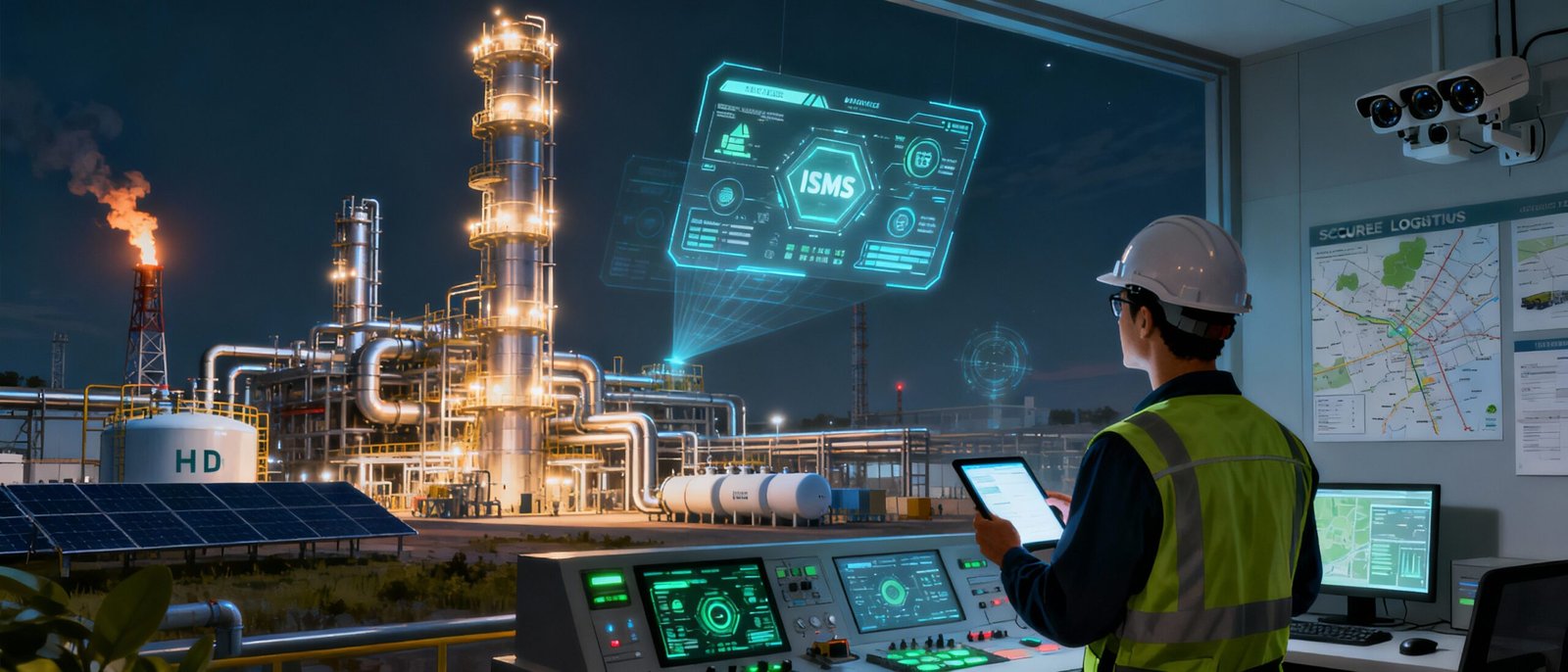
Global Energy Infrastructure:
Navigating Safety, Security, and Sustainability in Oil and Gas Investment
Abstract
The Oil and Gas sector remains a cornerstone of the global economy, yet it faces persistent challenges related to operational safety, environmental impact, and energy transition demands. For major development groups like THCI, investment in this sector requires advanced capabilities in complex engineering, robust safety protocols, and strategic planning for sustainability. This article analyzes the critical managerial and technological imperatives for optimizing efficiency and minimizing risk across the upstream, midstream, and downstream segments, highlighting the necessity of integrating modern safety standards and secure logistics to ensure long-term operational integrity and secure returns.
Introduction
The dynamics of the global energy market demand that infrastructure partners possess not only capital but also specialized engineering and risk management expertise. The Oil and Gas sector is characterized by large-scale projects, high regulatory scrutiny, and inherent operational hazards. THCI’s involvement in this arena reflects its commitment to tackling complex, capital-intensive projects. Success in this field is defined by the ability to deliver infrastructure—from pipelines to processing plants—that meets the most stringent international standards for safety, security, and environmental protection.
1. Operational Excellence and Safety Imperatives
Maintaining operational excellence in the Oil and Gas sector is directly tied to managing catastrophic risk.
1.1 Integrated Safety Management Systems
Modern projects necessitate the implementation of Integrated Safety Management Systems (ISMS) across all phases (design, construction, and operation). This includes rigorous compliance with international standards (e.g., ISO 45001) and the use of technology for real-time monitoring of pressure, temperature, and structural integrity.
1.2 Advanced Asset Integrity Management (AIM)
The integrity of critical assets, particularly pipelines and refineries, is paramount. Effective Asset Integrity Management relies on non-destructive testing (NDT), predictive maintenance powered by AI, and timely replacement strategies to mitigate corrosion and structural failure, thereby extending asset life and reducing environmental hazards.
1.3 Personnel Training and Competency
Given the inherent risks, continuous and specialized training for personnel, focusing on emergency response, hazard identification, and secure operational procedures, is an ongoing managerial requirement to eliminate human error and ensure a safe work environment.
2. Managerial Challenges in Infrastructure and Logistics
The complexity of Oil and Gas projects often involves challenging geographical and logistical environments.
2.1 Complex Engineering and Project Delivery
Managing the construction of large-scale midstream infrastructure (pipelines and terminals) requires sophisticated project management techniques. Challenges include securing right-of-way, managing multi-party contracts, and executing precision welding and deep-sea engineering, demanding deep expertise in Axiom Engineering principles.
2.2 Secure Logistics and Transportation
The transportation of raw and refined hydrocarbons requires a robust and secure logistics framework. This includes ensuring the physical security of transport routes, managing specialized fleets, and complying with international regulations on the transport of dangerous goods.
2.3 Financial Risk Mitigation
Investment in this sector is highly sensitive to geopolitical factors and market volatility. Managers must employ sophisticated financial modeling and risk mitigation strategies, including hedging and structured financing, to protect capital and guarantee project continuity during market fluctuations.
3. Sustainability and the Energy Transition
Forward-thinking Oil and Gas operations must address long-term sustainability and the inevitable shift towards cleaner energy.
3.1 Environmental Compliance and Emissions Control
Institutions must commit substantial resources to emissions reduction technologies (e.g., carbon capture and storage—CCS) and stringent environmental reporting. Minimizing flaring and methane leakage is both an environmental and a reputational necessity.
3.2 Investment in Diversification
The strategic path for long-term viability involves diversifying investment into cleaner energy technologies. This includes integrating existing infrastructure with renewable energy sources or focusing on the development of blue and green hydrogen infrastructure, aligning the core business with future energy demands.
Conclusion
Success in the Oil and Gas sector for a development group like THCI is rooted in an unwavering commitment to engineering excellence, uncompromising safety standards, and strategic foresight regarding energy evolution. By coupling technological deployment with disciplined risk management and a commitment to sustainability, THCI ensures that its investments not only yield secure returns but also contribute responsibly to global energy security.
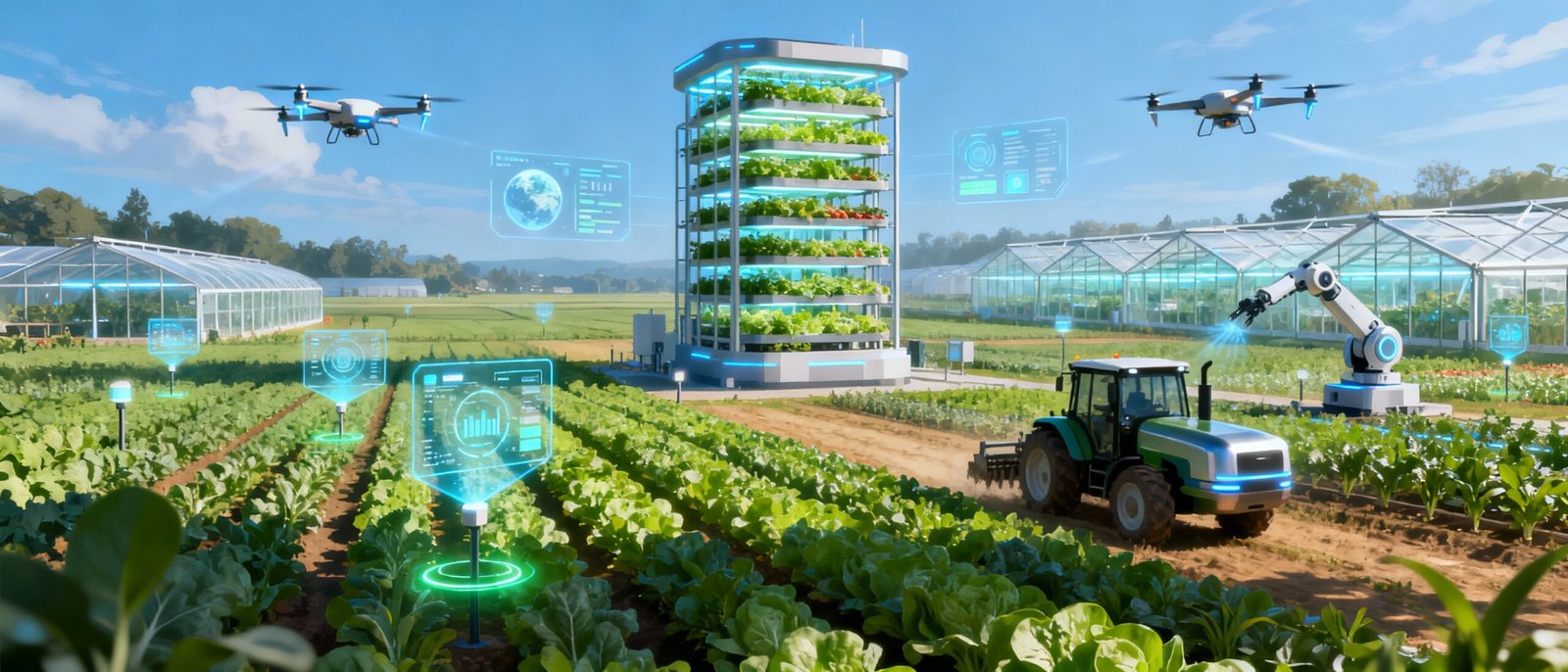
Smart Agriculture and Food Security:
The Role of Technology in Sustainable Investment
Abstract
Global food security is increasingly challenged by climate change, resource scarcity (especially water), and population growth. Addressing these issues requires a fundamental shift from traditional farming methods to technology-driven solutions. This article examines the key technological innovations shaping modern agriculture, including precision farming, vertical farming, and IoT integration. It analyzes the investment opportunities and administrative challenges for entities like THCI in developing and deploying sustainable agricultural infrastructure, positioning AgTech as a critical component of global investment strategies.
Introduction
The agricultural sector is at a critical juncture. The pressure to increase yield while simultaneously minimizing environmental impact necessitates a fusion of engineering, data science, and agronomy. Smart Agriculture, or AgTech, is emerging as the strategic solution, promising enhanced efficiency and sustainability. For an investment group focused on large-scale infrastructure and development, such as THCI, Agriculture with New Technology represents both a social imperative and a compelling long-term investment opportunity. This article outlines the technological advancements driving the sector and the subsequent managerial and investment implications.
1. Technological Innovations Driving Sustainable Yields
Modern agriculture leverages technology to optimize every stage of production, ensuring higher output with reduced waste.
1.1 Precision Agriculture and IoT
Precision Agriculture utilizes Internet of Things (IoT) sensors, drones, and satellite imagery to gather granular data on soil moisture, nutrient levels, and crop health. This allows for hyper-localized resource application (water, fertilizer), drastically reducing input costs and environmental runoff.
1.2 Controlled Environment Agriculture (CEA)
CEA, encompassing vertical farming and advanced greenhouses, provides climate-independent food production. By optimizing light, temperature, and humidity, CEA maximizes yields per square meter and minimizes water consumption through closed-loop hydroponic and aeroponic systems.
1.3 Robotics and Automation
Automation, through autonomous tractors, seeding robots, and automated harvesting machinery, addresses labor shortages and improves efficiency. AI algorithms process sensor data to execute tasks with accuracy far surpassing human capability, particularly in pest and disease detection.
2. Investment Opportunities and Administrative Challenges
While AgTech offers high potential returns, its integration into large-scale projects presents distinct challenges for investors and developers.
2.1 Investment in Infrastructure and Manufacturing
The shift to AgTech requires significant infrastructure investment, including the construction of climate-controlled facilities, specialized water and energy systems (often solar/wind), and integrated communication networks. This aligns directly with THCI’s core expertise in construction and energy development.
2.2 Data Governance and Security
The reliance on vast amounts of data—from soil samples to supply chain logistics—creates administrative challenges related to data governance, privacy, and cybersecurity. Effective management requires establishing secure, scalable data platforms and compliance with international regulations.
2.3 Integration of Diverse Expertise
Managing AgTech projects demands blending traditional engineering and construction management with specialized agricultural science, data analysis, and software development. Administrative leadership must foster a multidisciplinary environment to bridge these distinct fields effectively.
3. Sustainable Impact and Global Food Security
Investing in technology-driven agriculture is crucial for achieving global sustainability goals, particularly in regions facing severe water scarcity.
3.1 Water Efficiency and Conservation
Advanced irrigation techniques and CEA systems can reduce water usage by up to 95% compared to open-field farming. This positions AgTech as a vital strategy for water-stressed nations, transforming previously non-arable land into highly productive zones.
3.2 Supply Chain Resilience
Localizing food production through vertical farming reduces reliance on long, fragile global supply chains, enhancing food security and making communities more resilient to geopolitical disruptions or climate events.
Conclusion
The convergence of engineering and agriculture under the banner of AgTech presents a powerful solution to 21st-century food challenges. For a group like THCI, the opportunity lies in leveraging its expertise in infrastructure and investment to build the physical and digital frameworks necessary for the next generation of sustainable food production. By prioritizing innovation and efficiency, THCI can play a decisive role in securing global food stability while achieving long-term financial returns.
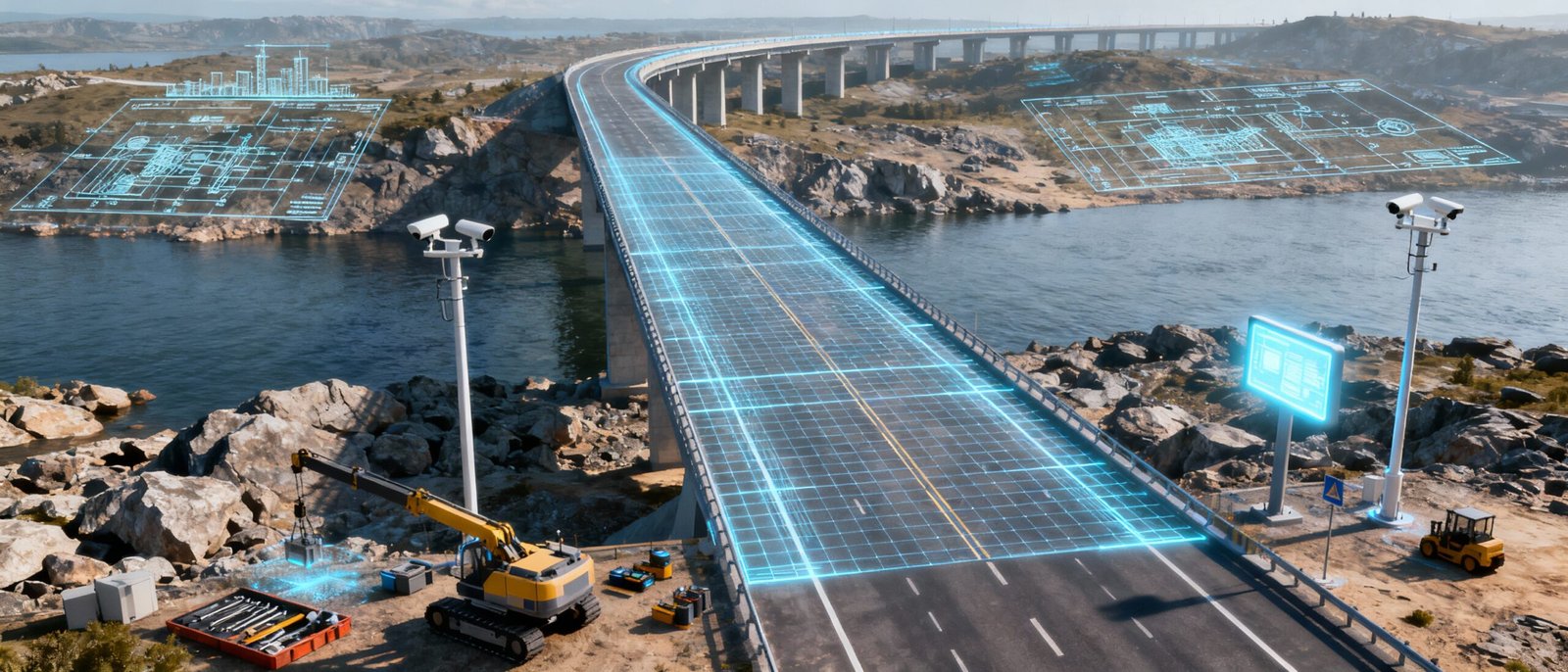
Transportation Network Development:
The Role of Civil Engineering in Supporting Economic Arteries
Abstract
Roads and bridges are the lifelines of any economy, connecting production centers to markets and facilitating the movement of people and goods. Governments and development institutions face increasing challenges in constructing transportation networks that are efficient, sustainable, and safe to meet growing population and commercial demands. This article provides an in-depth analysis of how THCI Business Group applies the highest standards of heavy civil engineering, derived from its American expertise, to create resilient road and transportation infrastructure, focusing on advanced planning technology, material quality, and intelligent safety systems.
Introduction
Transportation infrastructure represents a long-term investment that requires uncompromising engineering precision. At THCI Business Group, we move beyond conventional contracting to provide comprehensive Axiom Engineering solutions that enhance the growth capacity of cities and nations. We recognize that the quality of a road directly impacts supply chain efficiency, transportation costs, and user safety. Therefore, our methodology in developing roads and bridges is based on integrating international standards with a committed, local understanding of regional requirements.
1. Technology in Modern Road Design and Construction
Today’s major road projects rely on technology integration to ensure accuracy, reduce waste, and extend the lifespan of the assets.
1.1 Digital Surveying and Precision Planning
THCI utilizes the latest Digital Surveying techniques and Building Information Modeling (BIM) to create detailed 3D models of project sites. This allows for precise planning of excavation and embankment work and defining optimal gradients, ensuring fuel efficiency on the road and reducing costly rework.
1.2 Advanced Materials and Pavement Sustainability
The selection of paving materials is a critical factor. We rely on advanced, sustainable materials that increase road durability and its resistance to climate variations and heavy traffic loads. This not only extends the service life but also reduces the project’s carbon footprint in the long term.
2. Bridges and Complex Structures as Strategic Connectors
Bridges and tunnels represent engineering challenges requiring specialized expertise, given their crucial role in linking population and economic centers.
2.1 Complex Bridge Engineering
THCI specializes in the design and construction of complex structures demanding advanced building techniques, such as suspension bridges or those traversing difficult or aquatic terrains. We focus on structural stress analysis and seismic resistance to ensure stability and resilience over decades.
2.2 Optimizing Trade Flow and Logistics
Road networks are designed from a holistic logistics perspective. The goal is to create rapid and efficient transportation arteries that connect industrial zones (Manufacturing) and ports (Logistics) seamlessly. This smooth flow enhances general trade and supports the efficiency of national supply chains.
3. Road Safety and Intelligent Transportation
A comprehensive road infrastructure project is incomplete without the integration of security and intelligent technology elements.
3.1 Intelligent Transportation Systems (ITS) and Traffic Safety
We integrate Intelligent Transportation Systems (ITS), which include surveillance cameras, variable message signs, and accident detection systems. This integration significantly elevates the level of safety and improves traffic management, particularly during peak hours.
3.2 Adherence to International Safety Standards
THCI applies the highest global safety standards to the road construction itself, ranging from the correct geometric design of curves and interchanges to the installation of high-quality reflective markings and guardrails. Road safety is an inherent part of the quality and reliability framework adopted by the Group.
Conclusion
Modern transportation development is no longer merely a construction activity; it is a strategic investment in national efficiency and capacity for development. THCI Business Group leverages its international heavy civil engineering expertise to deliver transportation networks that are durable and intelligent. We build the arteries that ensure connectivity, unlock economic horizons, and secure the future for generations to come.

Project Finance and Infrastructure:
Smart Investment Mechanisms for Asset Growth
Abstract
Securing effective funding is a critical challenge in the capital-intensive sectors of contracting and infrastructure. THCI Business Group moves beyond the traditional role of a contractor to become a strategic financial partner, offering flexible and innovative Project Finance solutions. This article examines the essential role of integrating comprehensive feasibility studies with structured financing models to mitigate risk and maximize Return on Investment (ROI). It highlights THCI’s role in transforming ambitious engineering visions into viable, growth-oriented assets through transparent and effective financial management.
Introduction
In the contemporary economic landscape, where major projects are measured in billions, financing requires more than securing a loan. It demands a smart financial structure that allocates risk and ensures sustainable cash flow. For THCI Business Group, finance and investment services are a foundational pillar complementing its engineering expertise. We believe that the best engineering technologies cannot be realized without a robust financial foundation. Thus, we offer a model that integrates US-backed investment support with local expertise in analyzing growth opportunities.
1. Project Finance: A Structured Model for Risk Sharing
Project Finance is an ideal model for large infrastructure and energy ventures (such as Oil & Gas and Road projects) because it isolates project risks from the parent company’s balance sheet.
1.1 Structured Financial Engineering
Our model begins with the creation of a Special Purpose Vehicle (SPV) for the project, where precisely forecasted revenue streams are used as collateral for loans. This arrangement allows for:
Risk Mitigation: Spreading risk among a consortium of investors and lenders (banks, development institutions, investment funds).
Maximizing Leverage: Allowing a significant portion of the cost to be financed through debt, preserving the client’s working capital.
1.2 Flexible Financing Solutions
We provide financing solutions tailored to the project’s nature, whether through Build-Operate-Transfer (BOT) agreements or Public-Private Partnerships (PPP). This offers substantial flexibility in managing debt and cash flow obligations.
2. Integrated Feasibility Studies: Key to Investment Decisions
Every financing journey must begin with a comprehensive analysis, which is the hallmark of our investment services.
2.1 Comprehensive Feasibility Analysis
We conduct in-depth feasibility studies that extend beyond just financial and technical assessments to include:
Market and Demand Analysis: Accurate assessment of the project’s actual need (whether for a new road or a healthcare facility).
Environmental and Social Impact Assessment (ESG): Ensuring the project aligns with global sustainability standards, making it more appealing to institutional investors.
2.2 Risk Modeling and Scenario Planning
We use advanced modeling tools to evaluate all potential scenarios (such as fluctuations in energy prices, inflation, or regulatory delays). This proactive planning gives investors greater confidence in the project’s ability to deliver returns, even under challenging conditions.
3. Administrative Transparency and Long-Term Investment
Sound financial administration and transparency are essential for maintaining the trust of partners and investors post-financing.
3.1 Financial Governance and Oversight
THCI ensures the application of the highest financial governance standards, with meticulous oversight on the allocation of project funds and transparent periodic financial reporting to lenders and shareholders. This integrates seamlessly with our expertise in International Governance and compliance.
3.2 Transforming Concepts into Growth-Oriented Assets
The ultimate goal is not just constructing a facility, but creating a sustainable investment asset that generates stable long-term revenue. Whether the project is an AgTech farm or a power plant, THCI’s expertise ensures its transformation from an engineering blueprint into a strong economic growth opportunity.
Conclusion
Project Finance and Infrastructure services provided by THCI Business Group are the driving force behind the execution of the most ambitious and complex ventures. By integrating superior engineering expertise with flexible financial solutions and smart investment models based on feasibility, we enable our clients to Invest Smartly and Build with Confidence, ensuring not only the successful completion of the project but also its growth and endurance as a robust economic asset.
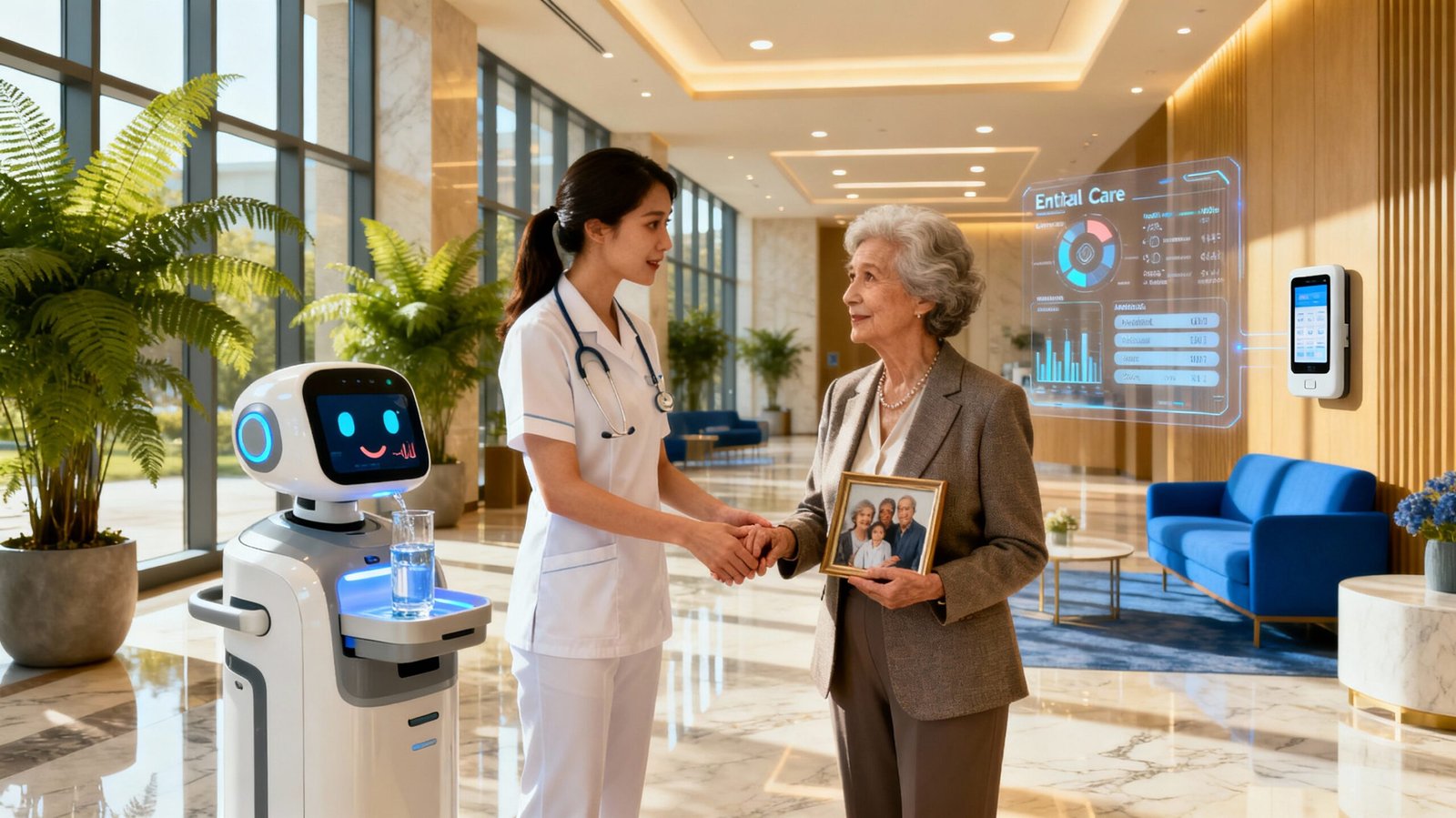
Ethical and Managerial Challenges in Elder Care:
Elder care institutions are facing a significant global demographic shift
driven by increased longevity and growing elderly populations. These
changes present complex ethical and managerial challenges that require
innovative, human-centered, and sustainable solutions. This article
provides an analytical overview of the key ethical dilemmas,
administrative barriers, and financial sustainability issues affecting
elder care facilities. It proposes a practical framework that integrates
technology, governance, and compassionate care to enhance
institutional quality and long-term resilience.
Introduction
The Elder Care sector is undergoing an unprecedented demographic
transformation due to rising life expectancy and a rapidly aging global
population. This shift intensifies pressure on institutional resources and
highlights a wide spectrum of ethical and managerial challenges.
Addressing these issues requires a systematic, innovative, and
sustainable response from sector leaders, governance bodies, and
investors. This article adopts an analytical approach based on global
practices and recent literature to examine these challenges and propose
a framework for ensuring quality, dignity, and sustainability in elder
care services.1. Ethical Challenges: Balancing Autonomy and
Protection
1.1 Autonomy vs. Safety
One of the most fundamental ethical dilemmas in elder care is striking
the right balance between promoting resident autonomy and ensuring
their safety. Institutions must respect personal independence while
implementing preventive measures that protect vulnerable residents,
particularly those with cognitive impairment.
1.2 Ethics of Decision-Making
Administrators frequently face complex decisions related to medical
intervention, physical restraint, or the financial management of
residents with cognitive decline. This necessitates clear protocols for
informed consent, transparent communication with families, and the
involvement of resident representatives in decision-making processes.
1.3 Quality of Life vs. Length of Life
Effective elder care prioritizes the quality rather than the duration of
life. Institutions should create an environment that supports social
engagement, recreational programs, and personalized care respecting
culture, dignity, and emotional needs.
1.4 Human Resources Ethics
Elder abuse and neglect remain among the most severe ethical
concerns. Institutions must uphold strict accountability standards,
provide continuous ethics and empathy training, and implement reliable
internal monitoring and reporting systems.2. Managerial Challenges: Ensuring Efficiency and
Quality
2.1 Workforce Management
The elder care sector faces high staff turnover and shortages of trained
personnel. Addressing this requires comprehensive staff retention
strategies, competitive incentives, and continuous training covering
both technical and interpersonal skills.
2.2 Digital Transformation and Health Technology
Adopting health technology solutions is essential for improving
operational efficiency. Tools such as electronic health records, remote
monitoring devices, and assistive robotics reduce administrative burden
and enhance accuracy in care delivery.
2.3 Risk Management and Compliance
Institutions must comply with evolving health regulations and quality
standards. This requires a dedicated compliance officer, regular audits,
and strong risk-management frameworks.3. Financial Sustainability and the Economic Model
3.1 Pricing and Affordability
High care costs limit accessibility for large segments of the population.
Sustainable institutions must adopt flexible pricing strategies and form
partnerships with insurance providers and government agencies.
3.2 Infrastructure Investment
Elder care facilities require continuous upgrades to meet safety
standards and provide supportive environments. Investment in
maintenance and modernization is essential for long-term stability.
3.3 Revenue Diversification
Diversifying revenue streams strengthens sustainability. Institutions
can expand services by offering home care programs, outpatient
consultations, and specialized therapies.
Conclusion
The success of elder care institutions is not measured solely by financial
performance, but by their ability to balance ethical responsibility with
managerial efficiency. A sustainable model integrates compassionate
care, advanced technology, strong governance, and investment in
human capital.References
1. World Health Organization. “World Report on Ageing and Health.” WHO Press, 2015.
2. National Institute on Aging. “Global Health and Aging.” U.S. Department of Health and
Human Services, 2011.
3. Kane, R. A., & Kane, R. L. “Long-Term Care: Principles, Programs, and Policies.” Springer
Publishing, 2017.
4. American Geriatrics Society. “Ethical Guidelines for Elder Care Institutions,” AGS
Publications, 2020.